The Night Owl Abyss
A poetic lens: where we’re headed, we don’t need MTF charts.
Two nights ago: a wash of faint gray sweeping quickly below the darkened trees. A pavement reflection from my headlights? It was a great horned owl, gliding past us and vanishing after less than a second.
They are our regular invisible neighbors, announcing themselves by hoots in the early and late darkness. We can know the direction and range by ear, but to see needs patience, darkness, and more than casual watching.
And so, a gear review:
Like a ghost the Night Owl Abyss is hard to name. Sometimes it's called the Night Abyss, or the Night Spring Abyss, or formally the "Lailens LTM 50mm f/1.1 KP" distributed in Japan by Shoten Kōbō (焦点工房 or "Focus Workshop").
Despite the LTM name it comes in M-Mount. Despite the distributor it's an original Chinese design. Despite the varying names there were only 70 made.
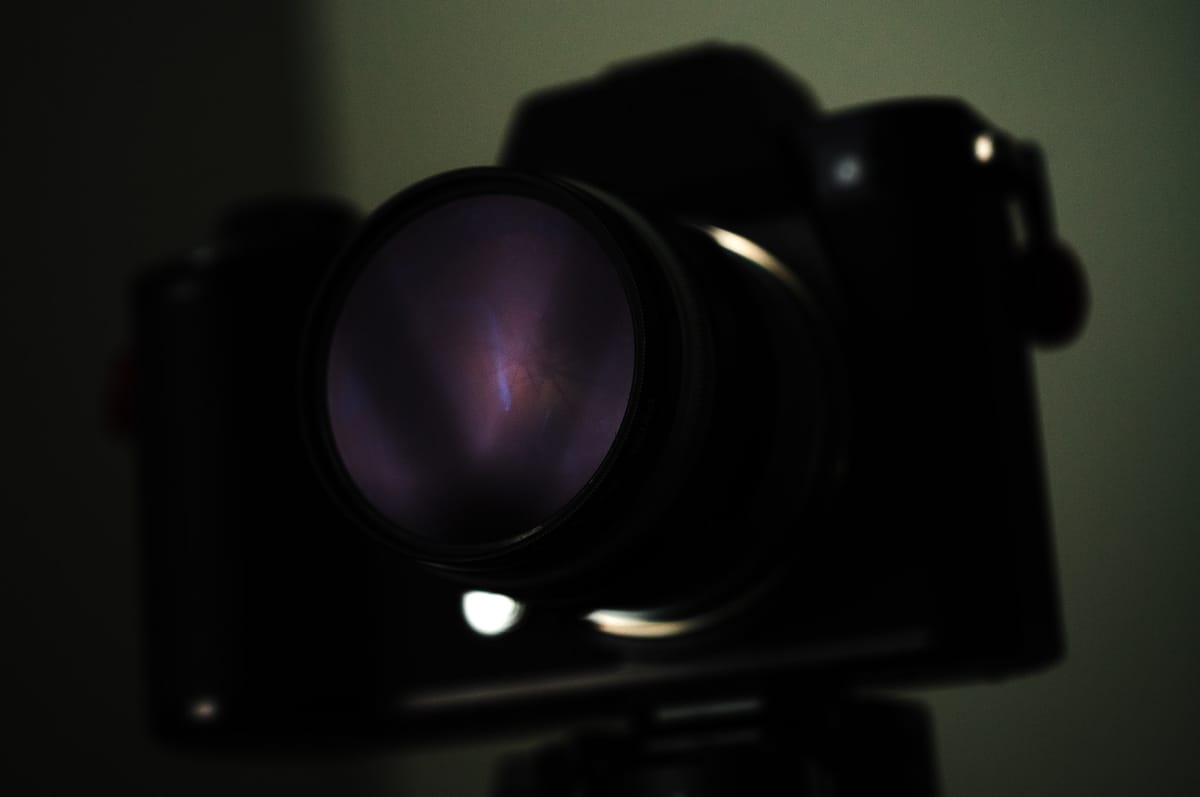
It likes the dark. Most of the time I keep the front element shrouded by a strong ND filter. My own name for the Night Owl is simply "The Black Lens."
This is the first lens I've seen that arrived not with a user manual but a poem. Or maybe it's a prayer? You'll have to take my translation on faith.
Night Spring Abyss - An Optical Ghost Dwelling in a Metal Shell
The first lens is as deep and expansive and the pupil of a hawk-owl. Cutting out the shape of light in the darkness The coating layers are like thousand-year-old amber. The unrevealed whispers of twilight are sealed away. The bokeh flowed, forming a silver river, each ray of light shining brightly. All are dark matter that has been deconstructed and reassembled. Precision of aluminum alloy bayonet engagement mechanism at night The 0.5m minimum focusing distance measures the Critical point between civilization and wasteland. The moment the shutter is pressed…. The spirits of ancient hunters rise from the dark box Those stardust trails magnified by the eyepiece It will eventually solidify into an eternal testimony on the silver salt altar. This is not a lens, but rather something that resides within a metal casing.
Where we’re headed, we don’t need MTF charts.
The formal name's "KP" is a salute to a much-rarer 1920's cine lens, the Hugo Meyer Kino Plasmat 5cm f/1.5. Fastest lens in the world, at the time. This one was auctioned in 2011. Camera West currently has this one in their collection. Thanks to owner Sean Cranor and photographer Mark de Paola I was able to use it for a bit of a Spring afternoon. The example headshot is of model Quynh Chi Nguyen.

Chi's look is modern but the lens's rendering is decidedly Weimar Republic. The uncoated glass glow, the aperture donuts. German silent cinematographers of a century ago were innovating with quick and "breathless" camerawork using these lenses, just before sound recording forced all movie cameras to be strapped down and locked onto solid studio pedestals. No more Schatten - Eine nächtliche Halluzination: Warning Shadows.
Using this museum-worthy vintage KP was intriguing despite its age-stiffened focusing. Sadly I don't have a museum. A few weeks later I learned of the Night Owl. Sorry! It was already sold out. But weeks later the dealer emailed me: one buyer had relinquished their reservation. Glücklicher Zufall?
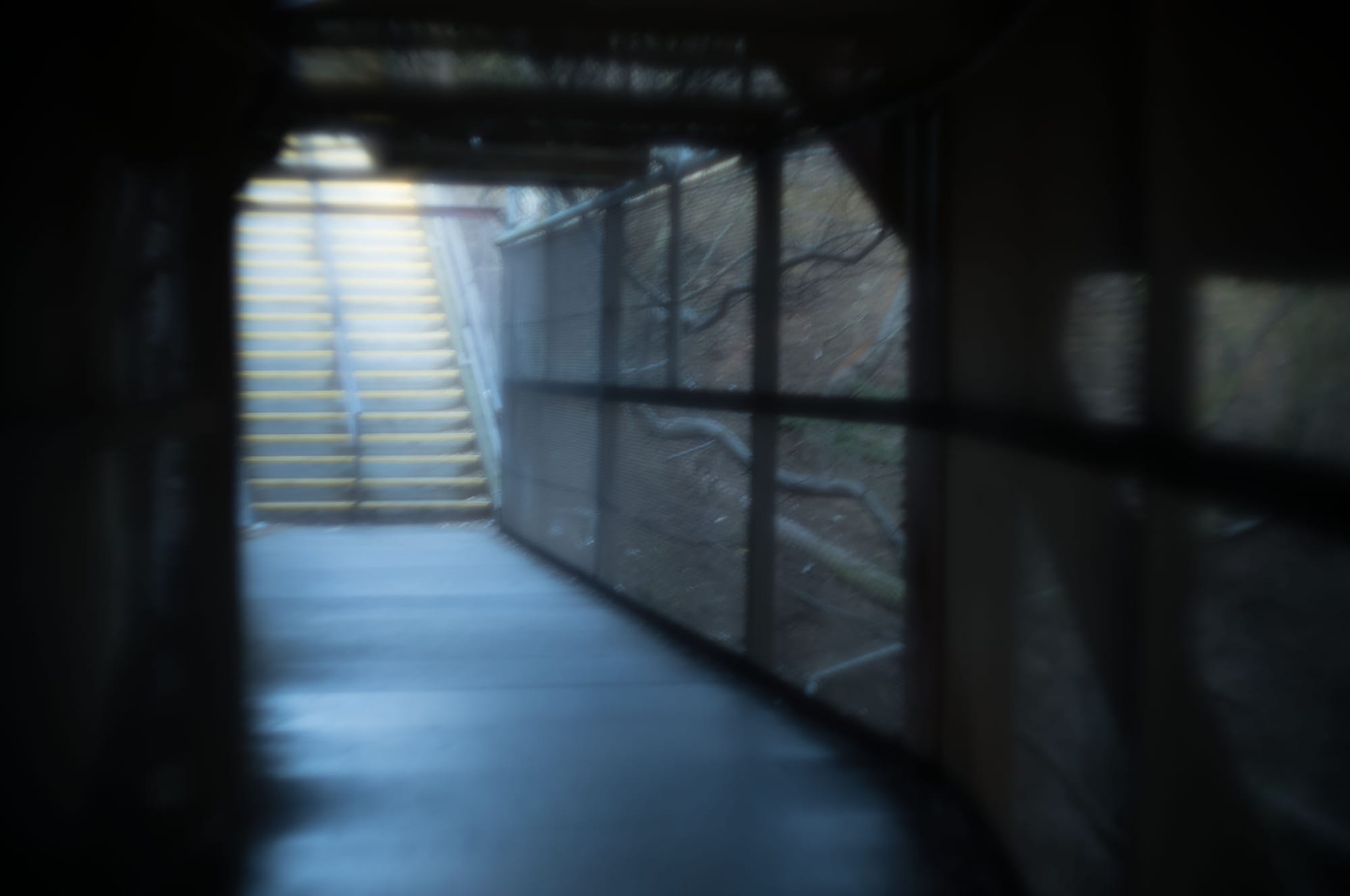
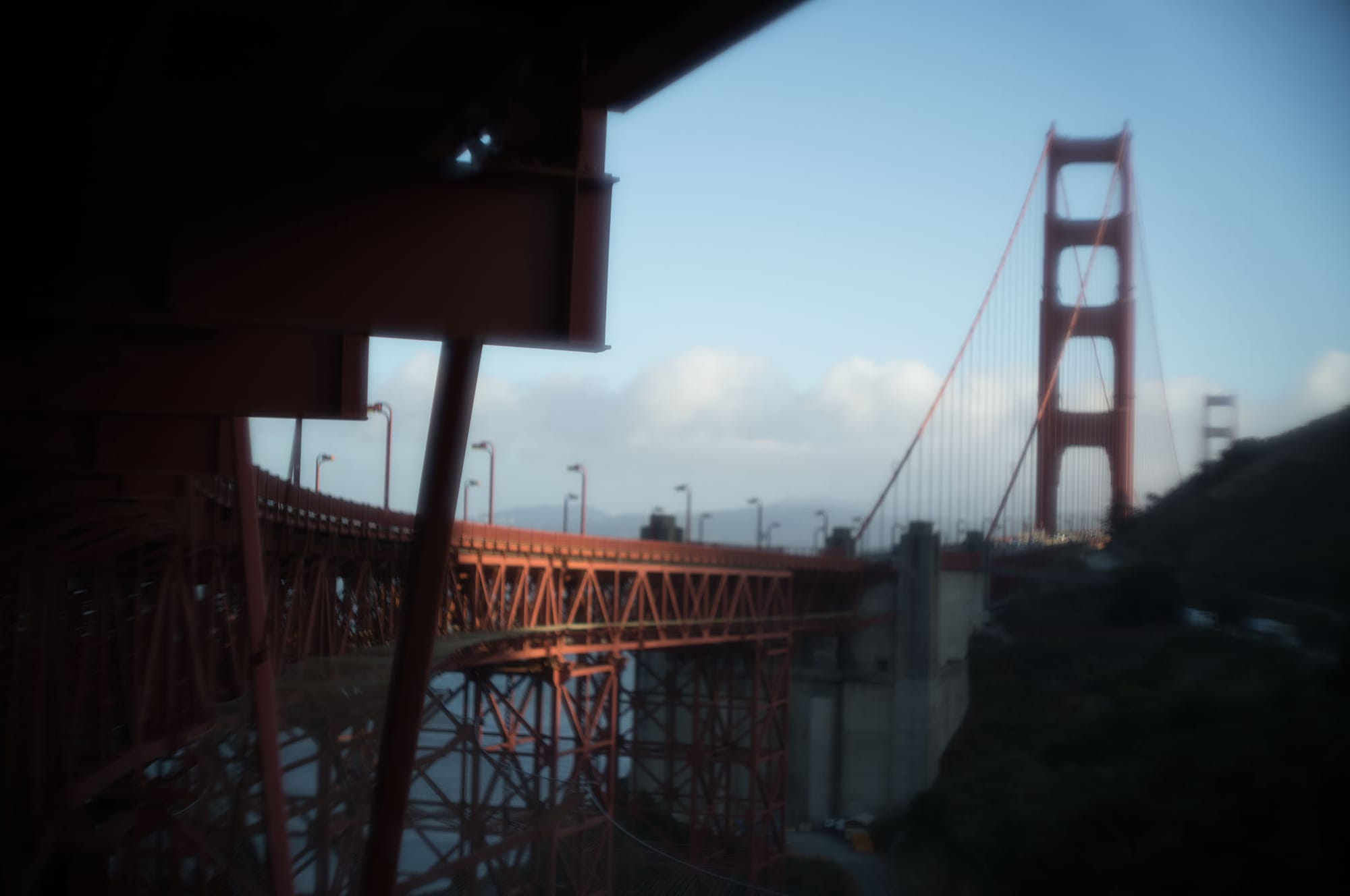
The Night Owl is much larger than the 1920's KP, and a full stop brighter. There are old-school design nods to the 1953 Zunow "ping pong." The glass here is modern but at wide-open it's all over the place, with vignettes and untamed highlights, hair flying in the wind.
There is no f/11. The f/8 mark is alongside f/16. Let's be realistic, shall we? This is the Night Owl. It's meant to be used as wide-open as possible, all the time. If you need f/11 use a Planar ZM. It's gorgeous, lighter, smaller, can do no wrong. The Night Owl is gloriously wrong if you'll let it be.
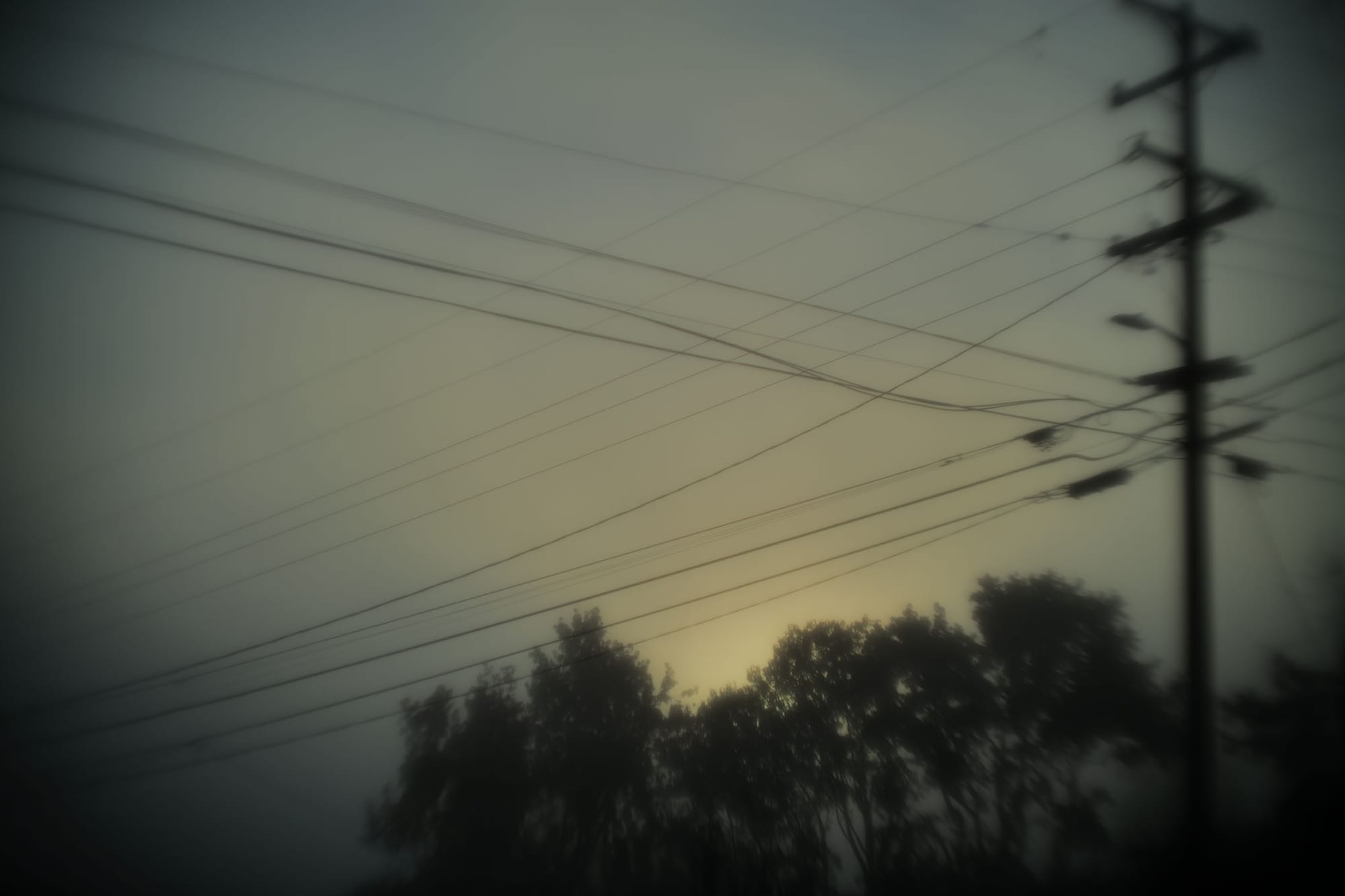
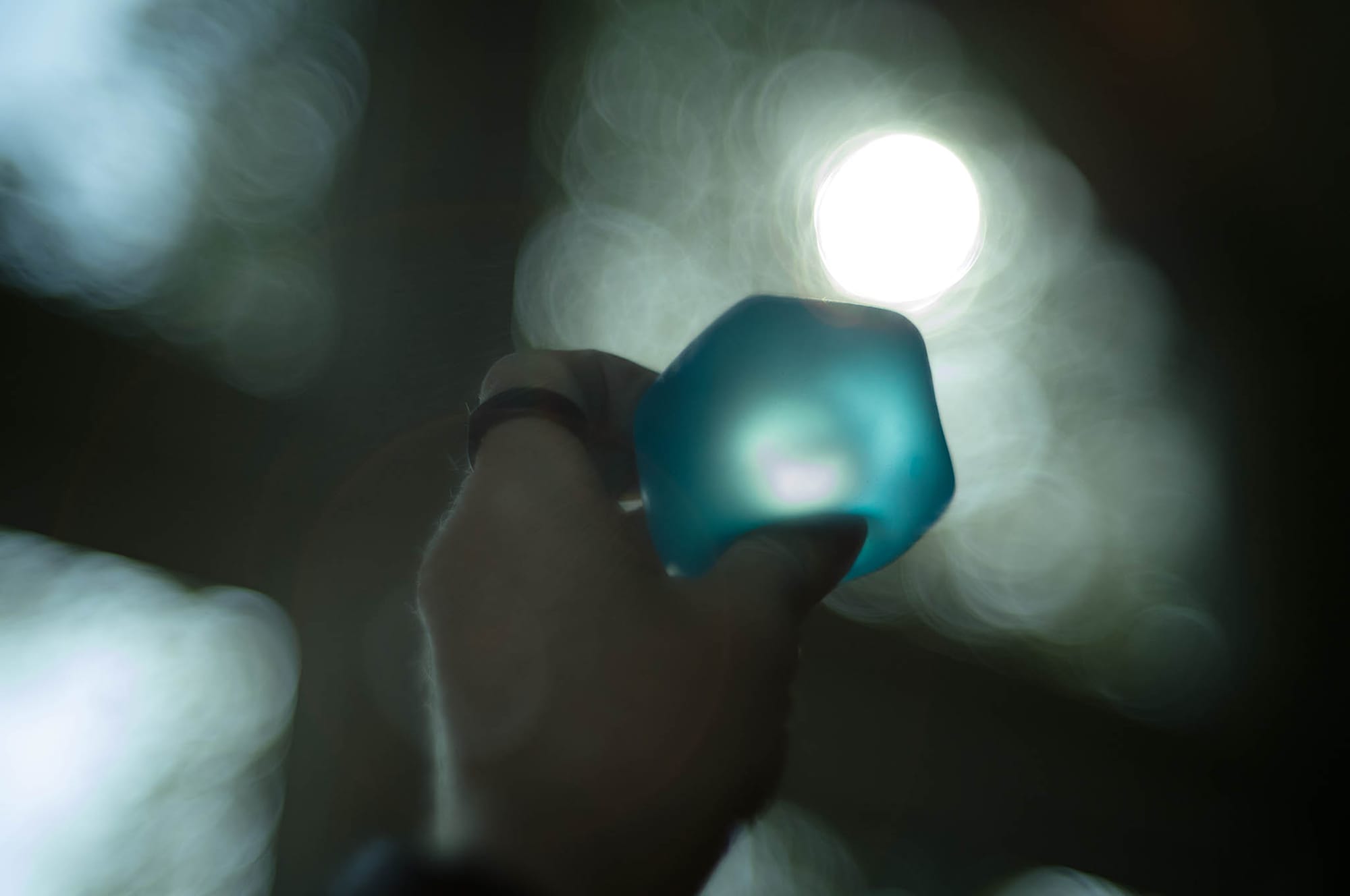
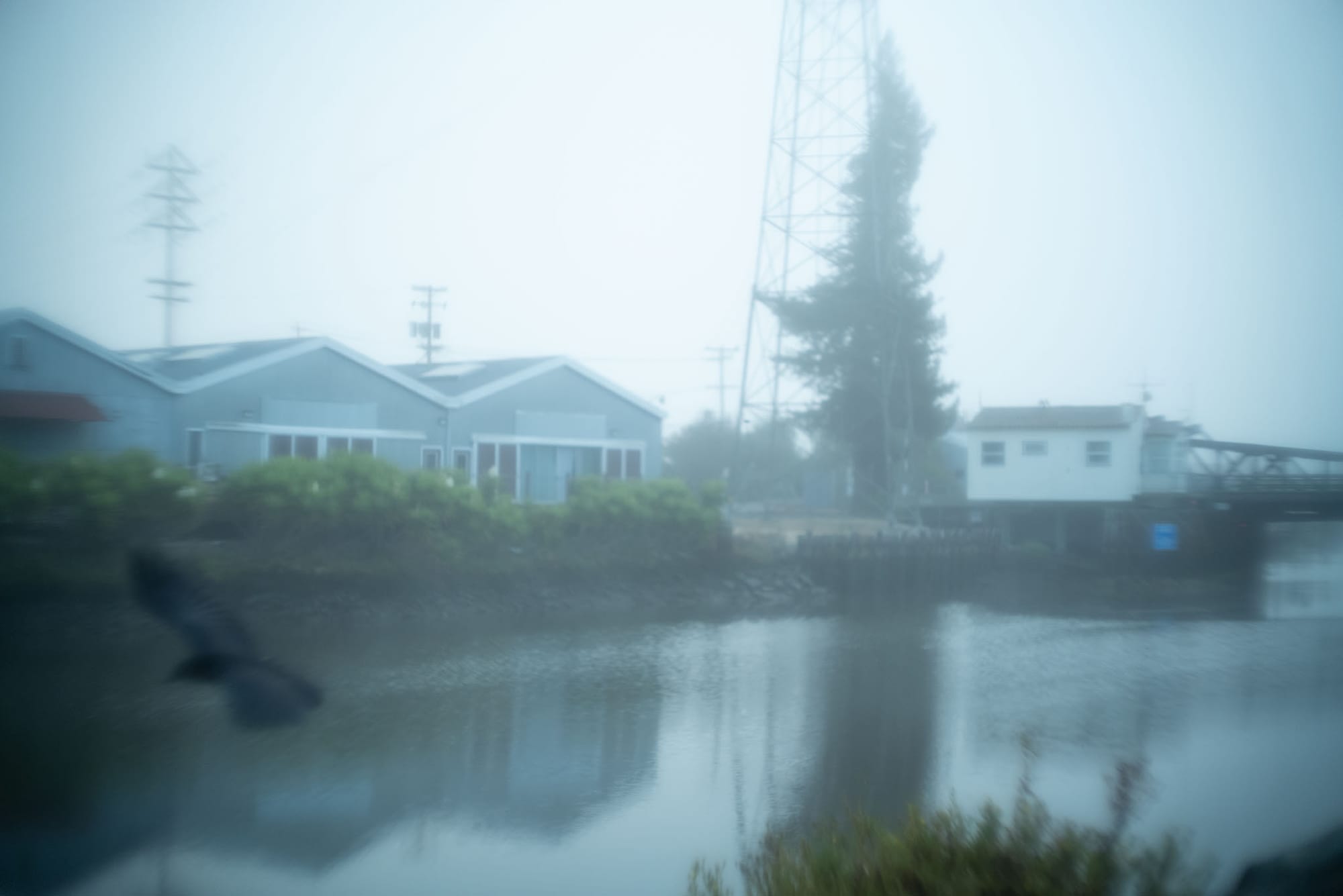
Old lens, new camera. A May/September roleplay romance is the best choice with an ultrafast lens of unpredictable character. The mirrorless M EV1 is great with it. I usually use it as in the top photo: on an SL2, with the Light Lens Labs close-focus M-to-L adapter, with brings the minimum 焦点 down to around 35cm.

The Other Black Lens
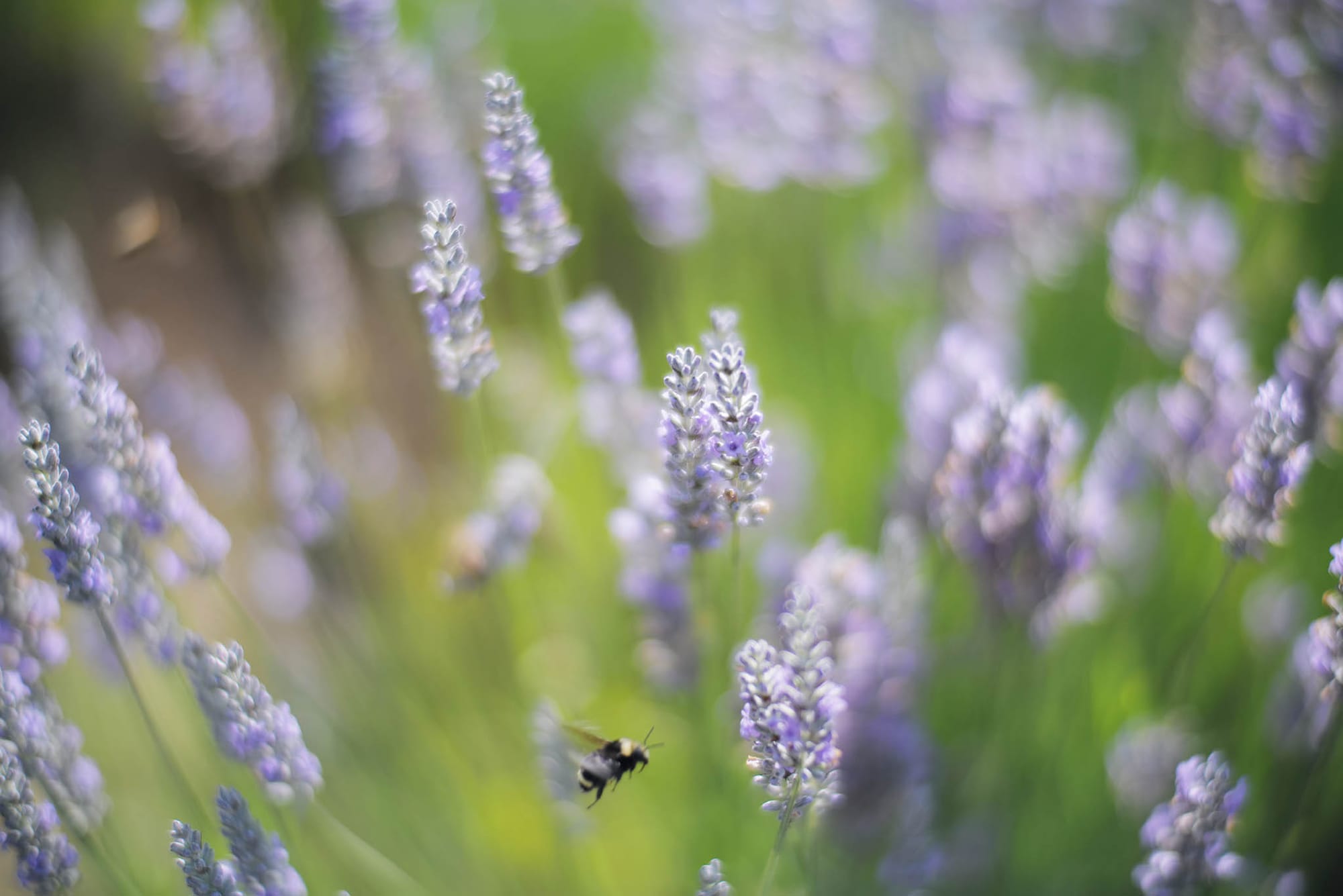
Prior to trying the German KP I'd tracked-down a copy of the discontinued 7Artisans 50mm f/1.1. It was used for many of the lavender-harvest photos in the recent The Given project.
It's similar in practice to the Night Owl, but less indulgent. They seemed to be aiming for a zero-budget Noctilux, or something like it. Which is great, I appreciate having options.