Payments
Wishes: May you always get what you pay for, and may you position yourself for success.
This morning I’m preparing to move my office to a new location and ruminating about destinations and the most important ways to spend my time. It's easy to get distracted onto tangent paths. Which is the real desired route?
In this mood I've been cataloging scenarios (or classes of scenarios) that involve photography and photographs out in the world that are somehow wide-ranging enough to let the rituals of activity be disconnected from the specific content. Business models, you might say. I offer these notes-to-myself to other seekers, with these wishes:
May you always get what you pay for, and may you position yourself for success.
This bramble of perspectives has a lot of overlap, and while it's list-like, there's no claim to it being a comprehensive tour through the whole territory of photographic practice or businesses. I’m sure there is plenty of cash to be made, say, as an operator of surveillance cameras, and that there are professionals who are really good at that. But that's not in here.
Every photograph has a backstory – the path it followed through camera-manufacturing to a photos’s birth-click all the way to eventually landing on paper or screen and into your eye as a viewer. There are agendas and incentives among many people all along the way.
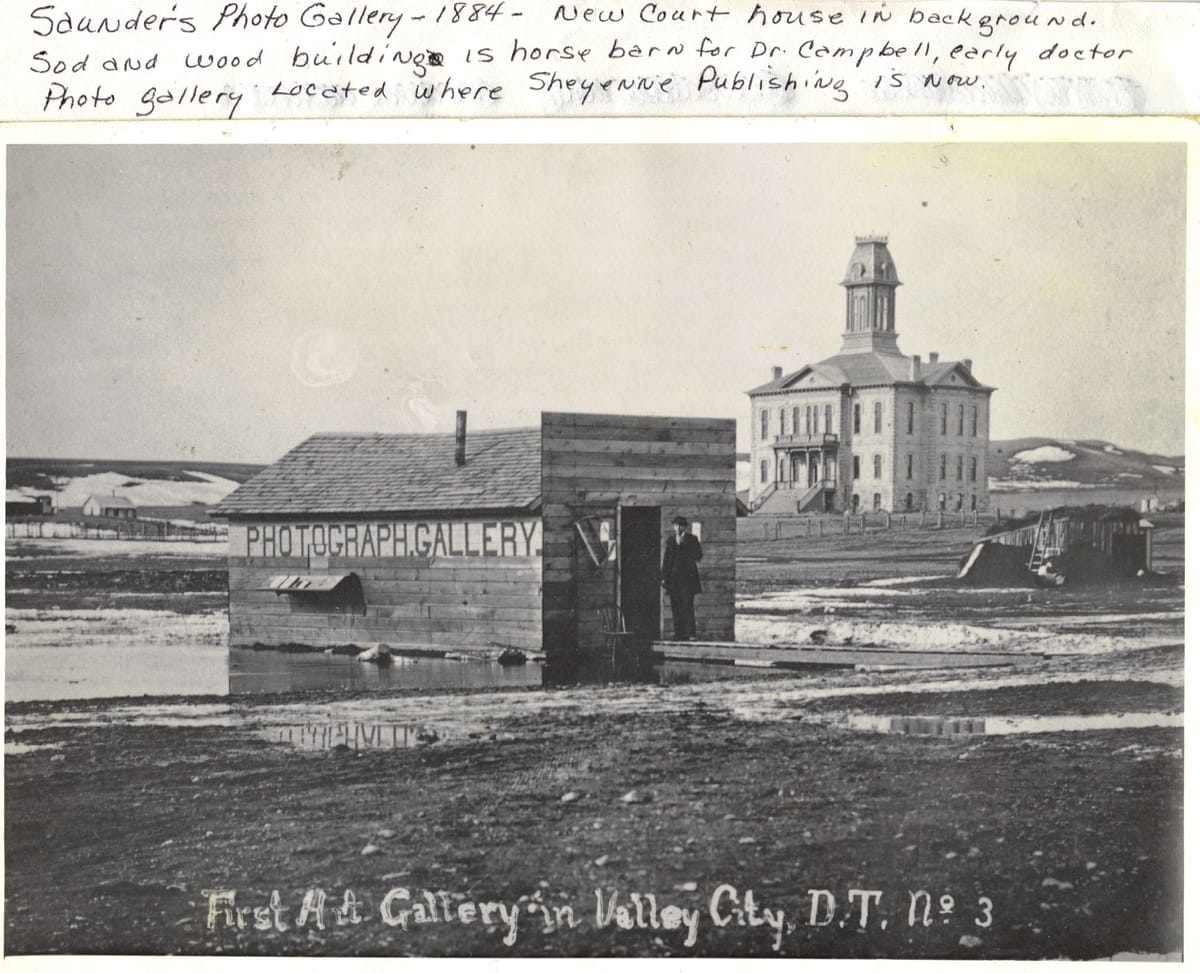
It has been true since well before 1884 that there are many, many photographs, reproductions of photographs, and in recent years statistically-driven computer programs that can generate photograph-like images to be used by advertisers (and other attention merchants) interchangeably with photographs. Your photographs exist in this noisy and increasingly-overcrowded environment. This is not optional, we are all floating in the same foggy sea. It smells faintly of glue and fixer.
Lens-made photos have an intrinsic bond to their specific external subjects in a way that paintings and drawings (or gen-AI) can never claim. That anchor between external objective lens-pointing and internal subjective picture-looking is both obvious and deceptive.
Some photographic approaches are low-touch, high volume: the automated souvenir photos made of your family screaming on a theme park roller coaster are a low-touch example where the agency of any photographer is reduced to placing an electrical switch and a camera near the point of highest velocity change. After that they walk away, never to meet their subjects. The high-volume stream of many daily pictures are then slid into many commemorative envelopes and distributed by a teen splitting their part-time hours between the photo booth and the snack bar.
Other approaches may be high-touch, low volume: consider an Annie Leibowitz pageant of celebrities, each with their own off-camera stylist and press agent; or a closeup Ragnar Axelsson portrait of a sled dog surviving a snowstorm near a remote arctic village. These direct efforts and coordination of many people, research, time, and resources may only result in only a single unique shot.
Between the examples of those two paragraphs, the touch/volume relationships for distribution are inverted: a specific treasured family scream photo usually has an audience of one print in one household, and a place in the family room near the TV. An elaborately-produced Leibowitz Vanity Fair cover will be seen by millions at supermarkets across the globe.
These notes and pictures about pictures are arranged in three clouds of interlinked parts: the click of a shutter, the post-exposure mouse clicks of editing and presentation, and clicking with viewers' attentions.
Depending on the nature of your goals, the purpose of your photos and stories may be to get it out into the world alone, or to drive further engagement in a cycle of work that can be used to create more opporunities for working that can produce more opportunities for working. Some smart creators use smaller cycles as steps along the path toward creating larger works: Matt Black's American Geography is an example of a book created after many smaller pieces on its subtopics were deliberately created and published, allowing him to explore ideas and keep the larger work moving forward.
The notes center loosely around The Money because that’s an easy metric for interest and activity. Often, you the photographer are paid (a lot) less in cash than you're paid in social relevance, in relaxation and meaningful personal growth, in web impressions, or (in the 16th-century words of Giorgio Vasari) in undying glory.
Production Side (Moments, Decisive or Not)
You deliberately go out looking for interesting things and you shoot them in interesting ways, either because you are searching or because your editor (or someone) told you to. At the extreme, you independently give up your newspaper job and learn a new language just to go photograph rival gangs fighting over the debris of car crashes, and eventually make an innovative book from these experiences. You are one of my heroes, thank you.
You make photos to accompany your writing. I salute you.
A rare and special variant: you make photos to accompany your friend's writing.
You may have other friends, or at least acquaintances. Find out what they're up to. It might be interesting, and you should photograph it. Maybe they're a pastry chef, a dancer, or an illegal gold miner.
Sometimes you are just doing whatever with your day, get lucky, and see a rare animal, celebrity, or some other occurrence while carrying your phone. Snap. Sometimes it’s your vacation pix. Or your lunch.
Another luck-heavy genre: automated wildlife cameras, which reward those with deep understanding of their subjects, technical savvy, and much more patience than most camera owners.
You go out among everyday boring things and make pictures anyway. Lunch again. The boring things might start to seem less boring once photographed, actually. Usually not.
Client/workshop/etc knows what they want and you (and team, often) carefully match the remit. This includes holding the phone for an influencer who will never credit you, much less pay.
Related: photo documentation of houses for sale, insurance claims for automobiles that have been involved in accidents (and possibly, later, are offered for sale), damage checks for rental cars, medical and criminal forensics, manufacturing quality assurance. Many of these tasks can be automated. The value is predefined and not determined by the photographer, unless you screw up: no one sells a house as an excuse to make photos of it. No one gets in a wreck on I-5 for the sake of making investigation photos, either.
You know exactly what you want (maybe you are experienced, or not – maybe you went to journalism or art school, or not) and you carefully stage it before photographing: either alone or also with art directors, detailed mood boards, schedules, etc.
You have been publishing and exhibiting and deliberately or not, you have developed a personal style or a reputation or a following, which allows (and may constrain) you to create new works that fit a relationship to that. In the crowd of human and electronic voices and creative pickpockets, this might be the one thing you can own.
You know roughly the combination of things and people that you like and collect them, trusting yourself and any collaborators to bring it together as interesting pictures (for some definition of “interesting” which might include very generic stock photos of young people in business attire smiling and gazing approvingly at a laptop computer).
You open a shop (or a booth at the county fair) inviting people to either specify the pix they want, usually portraits of their graduating teen, or you present a special restrictive menu of photo options. They come in and order the Special #2 & a side of fries. This might be Sears portrait studios, it might be a mounted photo of the client’s eyeball (or their eye along with the irises of their family’s eyes), a photo posing with Elvis, a photo wearing period costume supplied by the shop, a photo of their dog (cowboy hat optional), ID photos, or other various narrow-scope options. You console yourself by remembering that Arnold Newman and Avedon started out with this sort of job.
You have a terribly attractive partner, or perhaps you are terribly attractive yourself, and you pose them/yourself in front of the window, on the steps to the library, on the pier, in the kitchen, on hilltops, at tourist locations, in hotel rooms, staring dreamily out the window… or, if reclining, staring deeply into the lens – possibly wearing branded clothes and jewelry. If you are the terribly attractive one, you might want to hand the camera to someone else, or invest in some nice radio remotes. If not, be aware that you are probably an expendable input to your partner’s thirsty social media clickpile.
You saw what you want, already made by someone else, and you carefully recreate it, sometimes across media types, because you are either a student, a deliberate or naïve plagiarist, or a stylish artiste. Other people may decide which to call you for themselves. Scenarios can include you and your Nikon crowding-into the “correct” viewing spot among the other vacation snappers in Rockefeller Plaza to get The Picture, or constructing photos of elegant fashion models disinterestedly observing the Kennedy assassination.
Variation: As above, but further emphasize the more-transgressive elements like trashing the dress or adding Alice Cooper in a Brioni, ripped collages, painting on the print, using special materials like daguerreotypes or polaroids.
At the extreme, there are only transgressive lens-less elements that vaguely involve light, as in photograms or burned print paper.
You make pictures with generative AI, which is great except when it’s not. Unless you’re terribly circumspect, you forget that gen-AI is most often used as a cliché generator. Its partner, LLM photo critique, is also quite good at guiding your physical photography toward conformist and cringey cliché.
You own a camera, possibly some rolls of outdated Ektachrome, and use them to make snaps of your backyard hedge or your sleeping pets or the evening lights of the neighborhood gas station, occasionally getting some good shots that are either novel or more often very like a Kodak ad you think you saw once. You post them on reddit or glass or insta or flickr or all of them etc whatever, possibly alongside a Knolled photo of your camera bag contents and a detailed description of the equipment, chemicals, and software. You are momentarily pleased though you worry about chromatic aberration in the corners.
Middle Ground (The Wet Part: Chemicals, Inks, Sloshing Data)
Photoshop-style removals/”improvements,” usually relating to attempts at flattery. Sometimes they're done out of respect or to improve clarity of a photograph’s intent. Occasionally, to blatantly deceive.
You make a beautiful print.
You make a really beautiful print, of notable size, with special materials, in a way that can make it an architectural statement object, the print’s apotheosis. At the extreme, you make enough of these to have your own shop that offers these objects to homeowners and architects. The shop may become a tourist destination on its own.
You continue to connect with the people and topics you photographed, the people who taught and inspired you, and share to let them know about the photos. Express your gratitude: If you are doing it right these people have already granted you many gifts.
You make a beautiful album.
You compose torn-photo collages and reprint or xerox them as cheaply as possible to pin them up on telephone poles and community spaces, sometimes to promote your pictures but more often it’s a missing dog, a want-to-be-discovered band, or protests against an unpopular political situation.
You prepare photo-based paper takeaways, short videos, carefully-curated social feed(s), business cards to be left with editors, gallerists, potential subjects, people you think are cool.
You maintain a spreadsheet or other list of the people you think might be interested in publishing and or buying your photos and photo stories or work that is like your photos and photo stories: Picture editors, NGO and ad execs, sports team owners, gallerists. You follow them on insta, you send out occasional postcards letting them know about new work, you watch their conference videos, you read their notices and visit their exhibits.
You print a zine and distribute it to people at camera stores, labs, or art-related locales. If people appear in your zine, you give copies or prints to them.
You arrange an exhibit (including on your cubicle wall).
You have a blog, a website, e- and snail- mailing lists.
You make a book.
You actually get your book published and in stores.
You make or otherwise appear in YouTube-etc videos about you making pictures, making a book, or purchasing equipment, or talking about other people doing or pretending to do the same. Advertising algorithms play a role here.
You post on social media to validate your $7K trip to Hanoi or your $70 lunch or your seventh grandchild or your dinner with seven friends at the pho place on Seventh Street.
Consumption Side (Someone Gets Paid, Maybe)
Person sees a print, and purchases it.
Person asks for print, it is made for them, sometimes on the spot (e.g. polaroids or tintypes) or in packages such as wedding and sports albums.
Person asks for print, chooses from a selection you already have (which may be reprinted to a specific size or format or licensed).
Person sees print(s) or book(s) at a gallery/bookstore/museum/online (online, there might not even be a print, e.g. Youtube or Insta).
Picture editor agrees to run the pictures and/or picture story you spent the last four months creating. It might work its way up the syndication chain to larger publications. If you are lucky and good they will ask if you have any more like this. Go back to producing more photos and/or photo stories.
The local museum gift shop has been delighted to offer copies of the monograph based on your show in the new gallery named after your generous contribution to the museum general fund earlier in the year.
An attention-optimizing algorithm raises or reduces the profile of an image (paid or otherwise); some people and/or robots may see it. You may attract buyers, but more likely, sidebar advertising clicks.
Person or company hires photographer as staff, possibly after seeing their work (marketing departments, long or short gigs, event photography, editorial, propaganda). Be sure to read the contract.
Photographer is sponsored for some reason, either because of their portfolio or because they are a well-known skateboader or guitarist or exceptionally attractive. Photos are shared by sponsor, who may also book speaking gigs. Sponsors may include gear companies, artist residencies, MacArthur grants.
Agency/editor licenses existing image(s). Be sure to read the contract.
A random anonymous possibly-human entity reposts your photo on Instagram or similar platforms, sometimes uncredited. Click revenue may or not ensue (for them alone).
Person signs up for you to teach photography and/or tangential aspects of it at your studio, some level of school, in workshops, at conferences, etc. These may be long or short term situations, and in some cases, come with exhibiting options. This means you have a wall for your photos but to do it well you have a wall that you can use to help , guide, and encourage the photos work of others.
Person sees your book at a store, on a blog, etc, and purchases it.
Person sees book at the library, doesn’t need to buy it (unless it’s exceptional, maybe as a gift to their uncle who doesn’t have a library card but who loves dogs in 1960’s Chevrolets like the ones shown in your book).
Person browses book at the bookstore, fair, gallery, or open studio event. Doesn’t purchase, but that book is now "used."
Previously-unknown photos are found in a tattered suitcase years after your death, and are auctioned by a stranger to collectors for millions.